Seven precautions for canine longevity
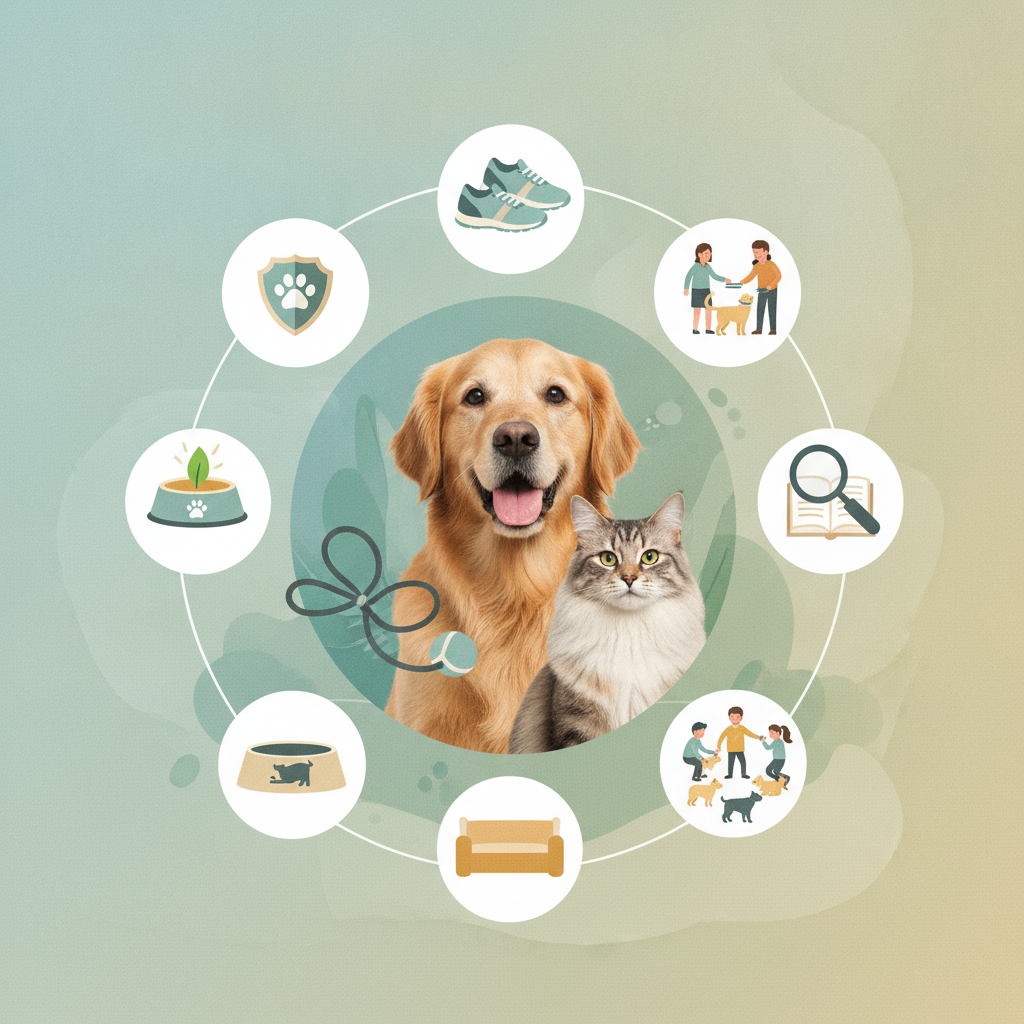
The relationship between humans and their dogs is one of the most profound and rewarding. Our canine companions bring joy, comfort and unconditional loyalty to our lives. On the other hand, the desire of every tutor is to see their furry friend live a long, full and healthy life. It is not just about avoiding diseases, but building a solid foundation for longevity, day after day, with attention and knowledge. This in-depth guide offers seven essential pillars of care, transforming the intention of love into concrete actions that will make a difference in the life of your dog.
1. The Basis of Long Life: Precise Nutrition and Pure Water
Your dog's diet is the foundation of his health. Inadequate nutrition can lead to a range of problems, from obesity and diabetes to nutritional deficiencies that compromise immunity and vitality. The choice of food should be an informed decision, based on solid criteria and not just marketing.
Choice of Feed: Quality Above All
- First Ingredients: Look for rations that list a meat (chicken, beef, fish, lamb) as the first ingredient. This indicates a high-quality protein source. Avoid products where the first items are unspecified animal byproducts or large amounts of corn, soy, or wheat, which may be allergenic to some dogs and are less nutritious.
- Nutritional Balancing: The feed should be “complete and balanced” for the stage of your dog's life (child, adult, senior) and its activity level, as per the guidelines of the AAFCO (Association of American Feed Control Officials) or Brazilian equivalent.
- Carbohydrates and Fibers: Ingredients like sweet potatoes, brown rice, peas and lentils are good sources of complex carbohydrates and fiber, important for energy and digestive health.
- Healthy Fats: Sources of omega-3 and omega-6 (such as fish oil, flaxseed) are crucial for skin health, coat and cognitive function.
Homemade Food and Specific Diets: Pros and Cons
Homemade food may be an option, but it requires strict veterinary guidance to ensure balance.Unbalanced home-cooked diets are a common mistake and can cause serious long-term health problems. Cost and preparation time are factors to consider. For dogs with specific health conditions (kidney diseases, heart diseases, allergies), therapeutic feeds formulated by veterinarians are often the best choice as they are precisely balanced to manage the condition.
What to Watch for and Common Mistakes:
- Body Weight: Obesity is an epidemic and one of the biggest predictors of a shorter life and with more diseases. You should be able to feel his ribs without having to press too hard, and he should have a visible waist.
- Consistency of the Stools: The stool should be firm and well formed. Diarrhea or very soft stools indicate digestive problems.
- Excess of Snacks: Snacks should represent a maximum of 10% of daily caloric intake. Choose healthy and specific snacks for dogs.
- Prohibited Foods: Never offer chocolate, grapes, onions, garlic, avocado, xylitol (sweetener), alcohol or cooked bones. Keep trash and toxic products out of reach.
- Fresh and Clean Water: Always have a container with fresh, clean water available. Hydration is vital for all bodily functions. Change the water several times a day and wash the container regularly.
2. Active Surveillance: Preventive and Parasitic Veterinary Health
Preventive veterinary medicine is the key to spotting problems early, when they are most treatable, and preventing the development of serious diseases.Do not wait for your dog to get sick to see the vet.
Routine Consultations and Vaccination:
- Frequency: Puppy dogs need a vaccination schedule and intense deworming. Healthy adult dogs should have annual consultations. Older dogs (usually from 7 years, depending on the breed) benefit from biannual visits for more detailed examinations, as aging accelerates the manifestation of diseases.
- Essential Vaccines: Keep the vaccine protocol up to date. Multiple vaccines (V8/V10) protect against distemper, parvovirus, infectious hepatitis, leptospirosis, adenovirus and parainfluenza. Rabies vaccine is required by law in many places and protects both the animal and public health. Other vaccines, such as canine influenza (infectious tracheobronchitis) and leishmaniasis, may be recommended depending on the region and lifestyle of your dog. Discuss with your veterinarian the specific needs.
Parasite Control: Internal and External
- Vermifugation: Adult dogs usually need deworming every 3-6 months, depending on the risk of exposure (dogs who walk a lot, who eat grass, etc.).
- Fleas and Ticks: Use effective and safe preventive products, as per veterinary guidance. There are options on tablets, pipettes and collars. Fleas and ticks not only cause discomfort and allergies, but also transmit serious diseases such as ehrlichiosis, babesiosis and anaplasmosis, which can be fatal.
- Dirofilariasis (Heart Worm): In endemic areas, it is essential to prevent monthly or injectable. Consult your veterinarian to know if your dog is at risk.
Routine Exams:
In adult dogs and especially older dogs, annual or semi-annual blood and urine tests are crucial for monitoring kidney function, liver function, blood glucose and other health indicators that may reveal problems before symptoms manifest.
Warning Signs to Seek Veterinarian:
- Changes in appetite or thirst (increased or decreased).
- Unexplained weight loss or gain.
- Vomiting, persistent diarrhea, or blood in the stool.
- Cough, sneezing or difficulty breathing.
- Stain or difficulty getting up/walking.
- Changes in behavior (apathy, aggression, anxiety).
- Nodules, wounds that do not heal.
- Difficulty urinating or defecating.
- Excessive bad breath, bleeding gums.
3. Active Body, Healthy Mind: Exercise and Cognitive Stimulation
An active body and a stimulated mind are crucial for longevity and quality of life. Sedentary lifestyle leads to physical and behavioral problems.
Proper Physical Exercise:
- Adequacy by Race and Age: The type and intensity of exercise should be adapted. High-energy breeds (Border Collie, Labrador) need more intense and prolonged activities than brachycephalic breeds (Pug, Bulldog Frances), which may have respiratory difficulties. Puppies should not be subjected to high-impact exercises.Old dogs may need shorter and more frequent walks.
- Consistent Routine: An exercise routine helps maintain optimal weight, strengthen muscles and joints, improve circulation and release accumulated energy, preventing behavioral problems.
- Variety: Include hiking, jogging (if appropriate), fetch play, swimming (excellent for joints), and hiking.
Mental Stimulation and Socialization:
- Interactive Toys: Offer environmental-enrichment toys that release treats, dog puzzles, or nose activities that combat boredom and encourage problem-solving.
- Continuous Training: Obedience classes, even for adult dogs, strengthen the bond and stimulate the brain.Teach new tricks regularly.
- Controlled Socialization: Exposing your dog to different environments, people and dogs (safely and always supervised) prevents fears and aggression, making it a more balanced animal. Dog parks can be good, but it is crucial to observe interactions and intervene if necessary.
Common Mistakes:
- Sedentarism: Leaving the dog only in the yard is not enough. They need interaction and stimulation.
- Excessive Exercise: Forcing a dog to exercise beyond its limits, especially in hot climates, can be dangerous.
- Lack of Mental Stimulation: Bored dogs develop destructive behaviors, excessive barking, and anxiety.
4. A Safe Home and Essential Daily Care
The environment in which your dog lives directly impacts his safety and well-being.In addition, daily hygiene is an integral part of disease prevention.
Safe and Comfortable Environment:
- Accident Prevention: Keep cleaning products, medications, toxic plants and small objects out of reach. Use security gates to restrict access to dangerous areas.In the yard, make sure fences are safe.
- Thermal Comfort: Dogs need protection from excessive heat and intense cold. Provide adequate shelter, shade and a comfortable bed, away from drafts or direct sun.
- Resting Place: Have a comfortable bed and a quiet place where your dog can rest and feel safe, away from the constant movement of the house. This reduces stress and promotes restful sleep.
Specific Hygiene and Care:
- Dental Hygiene: Periodontal disease is extremely common in dogs and can lead to serious problems with the heart, kidneys and liver. Brush your dog's teeth daily with veterinary toothpaste. Offer chewable toys and snacks that help remove tartaro.
- Hair Care: Regular brushing helps remove dead hair, prevent tangles and distribute natural oils from the skin, as well as being a time of inspection for parasites, wounds or abnormalities. The frequency of bathing depends on the breed and lifestyle, but avoid excessive bathing that can dry out the skin.
- Eyes and Ears: Check regularly for discharge, redness or odors in the eyes and ears. Clean the ears with specific products, only on the visible outside, and gently.
- Nails: Very long nails can cause pain, difficulty walking and orthopedic problems. Trim your nails regularly or take your dog to a professional.
5. Adapting to Time: Stress Management and Aging
Longevity is not just about extending the years of life, but about ensuring that those years are lived with quality. This includes managing stress and adapting care as the dog ages.
Stress Management:
- Routine and Predictability: Dogs thrive on routines.Fixed hours for feeding, walking, and play provide safety and reduce anxiety.
- Calm Environment: Avoid excessive noises and sudden changes.A quiet environment contributes to mental well-being.
- Signal Recognition: Learn to identify the signs of stress in your dog: excessive yawning, licking on the lips, ears back, tail between the legs, tremors, barking or excessive howling. If the stress is persistent, seek a veterinary ethologist.
Elderly Dog Care:
Aging brings with it physiological and behavioral changes. Anticipate and adapt to them and fundamental.
- Articular Comfort: Elderly dogs often develop osteoarthritis. Consider chondroprotective supplements (glucosamine, chondroitin), orthopedic beds, ramps to facilitate access to furniture or cars, and non-slip floors.
- Visual and Auditory Attention: Vision and hearing may decrease. Keep furniture in place, use clearer voice commands, or teach manual signals.
- Cognitive Health: Just like humans, dogs can experience cognitive decline (Canine Cognitive Dysfunction Syndrome), manifested by disorientation, changes in the sleep-wake cycle, interaction changes, and forgetfulness of trainings.
- Health Monitoring: Increase the frequency of visits to the vet for semi-annual check-ups, with more comprehensive blood and urine tests.
- Diet Adjustment: Older dogs may need lower calorie rations, more fiber, and supplements for joints or brain function.
Checklist of the Attentive Tutor for Canine Longevity:
Use this checklist to ensure that all aspects of your dog's health and well-being are being addressed proactively.
- Daily:
- Access to fresh and clean water.
- Food in the correct amount, without excess of snacks.
- Observe appetite, thirst and general behavior.
- Inspecting feces and urine.
- At least one tooth brushing session (if possible).
- Short exercise and play sessions.
- Weekly:
- Complete brushing of the coat.
- Ear and eye inspection (clean if necessary).
- Check paws and nails.
- Clean the water and food container.
- A training session or mental stimulation with new challenges.
- Monthly:
- Apply preventive against fleas and ticks (if applicable to the product).
- Check the need to trim the nails.
- Weigh the dog and adjust the feeding if there is weight gain/loss.
- Review toy stock and environmental enrichment.
- Quarterly (every 3 months):
- Vermifugation (according to veterinary guidance).
- Semi-annually (every 6 months):
- Veterinary consultation for elderly dogs (from 7 years).
- Blood and urine tests for older dogs.
- Annually:
- Routine veterinary consultation for adult dogs.
- Vaccine upgrade (multipla and rabies).
- Blood and urine tests for adult dogs (if recommended by the veterinarian).
- Assessment of need for professional dental cleaning.
Investing time and attention in the seven pillars of canine longevity is not only a series of tasks, but a deep commitment to love and responsibility. By prioritizing proper nutrition, preventive health, exercise, mental stimulation, a safe environment, hygiene and careful management of aging, you not only increase the chances of your dog living longer, but also ensure that each of these years is filled with vitality, comfort and joy. The reward will be a longer and happier shared life, further strengthening the unbreakable bond that unites them.