The Characteristics of a Balanced Dog
The search for a balanced dog is the desire of every tutor who longs for a harmonious and rewarding coexistence. However, the definition of “balancing” often gets lost in myths, excessively rigid trainings or, on the opposite, in the permissiveness that ignores the intrinsic needs of the animal. Many tutors find themselves frustrated with unwanted behaviors ceaseless barking, destruction of furniture, aggressiveness, excessive fear (without understanding that these are, most of the time, symptoms of a deep imbalance, and not mere “defects of personality or immutable characteristics of the breed. The real problem lies in the lack of a clear guide to understand and promote the well-being of a balanced article that can provide you with a dog and to promote the can be able to identify a well-being of a dog.
What Does a Balanced Dog Really Mean?
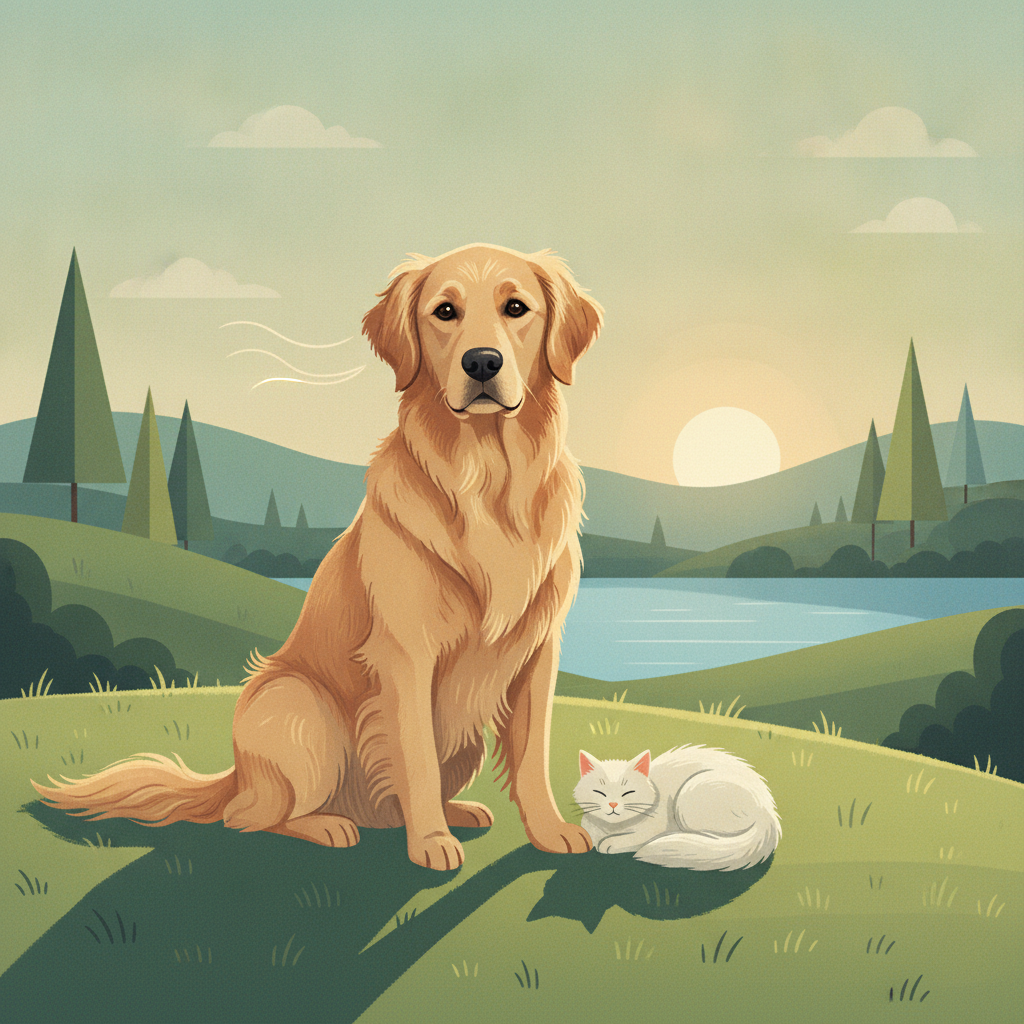
A balanced dog is not synonymous with a “perfect” dog that never barks, never jumps or never misses. On the contrary, canine balance refers to a state of physical, mental and emotional well-being that allows the animal to adapt healthily to different situations and respond appropriately to environmental stimuli.It is the ability to transition between excitement and calm, to interact socially appropriately, to have its basic needs met and to process experiences in a resilient manner.
Balance is a dynamic state, not static.It manifests itself in:
- Adaptability: The dog can cope with changes in routine, new environments or the presence of strangers without panicking or overreacting.
- Self-control: Although he can get excited, he demonstrates an ability to calm down and follow commands, even in distracting situations.
- Trust: Feel safe in your environment and in relation to your guardian, with no signs of chronic fear or excessive anxiety.
- Appropriate Answers: Their communication is clear and their behaviors (barking, growling, tail wagging) are contextually relevant, not compulsive or aggressive for no reason.
- Emotional Resilience: Recover quickly from scares or stressful situations, returning to your normal state of relaxation.
Unlike mere obedience, which is a trained skill set, balance is an internal condition that permeates all aspects of the dog's life and, consequently, is reflected in its general behavior.
Essential Pillars of Canine Balance: What to Watch and Prioritize
Building a dog's balance is a holistic job that involves attending to various dimensions of his life. Ignoring one of these pillars can compromise all effort.
1. Proper Physical Exercise
Lack of exercise is one of the biggest causes of imbalance. Dogs are designed to move. What is “adequate” varies enormously between breeds and ages. A Beagle needs more than a walk on the block; a Border Collie or a German Shepherd require activities that challenge their intelligence and physical endurance.
- With excessive accumulated energy inside the house.
- Destroying objects or compulsively gnawing at furniture.
- Excessively barking without apparent stimulus.
These may be signs that he is not expending enough energy.The intensity, duration and type of exercise (walking, running, swimming, fetch games) should be adapted to the individual.
2. Mental Stimulation and Purpose
As important as physical exercise is mental. Dogs need to use the brain. Working breeds in particular have an innate need to “work” or have a purpose. Without this, they may develop obsessive or destructive behaviors.Watch if your dog:
- Demonstrates boredom, apathy or, on the contrary, hyperactivity without focus.
- Not interested in interactive toys or challenges.
Environmental enrichment, puzzle toys, basic and advanced obedience training, and even nose games (hiding treats for the dog to find) are crucial. Five minutes of concentrated training can be as exhausting as a long walk.
3. Qualitative and Safe Socialization
Socialization is not just about allowing the dog to play with all other dogs or people. It is the controlled and positive exposure to a variety of stimuli (people, other animals, environments, sounds, textures) so that he learns to interact appropriately and develop confidence. Lack of socialization can lead to fear, aggression or reactivity. Excessive or poorly managed socialization (where the dog becomes overexcited and uncontrolled) is also harmful.
- Reacts with fear or aggression to unfamiliar people or dogs.
- Cannot calm down in new or noisy environments.
- Is overly submissive or dominant.
The goal is for the dog to be able to ignore most stimuli, interacting only when appropriate and calmly.
4. Clear Limits, Routine and Calm Leadership
Dogs are social animals that thrive in a clear hierarchical structure. They need rules, routines and know who is in control consistently. This does not mean aggressive domination, but rather a calm, fair and predictable leadership on the part of the tutor. Note if your dog:
- Ignore basic commands or only obey them when you want.
- Try to control the tutor or resources (food, toys, space).
- Has anxiety or insecurity due to lack of predictability.
Establish a routine of feeding, walks and rest. Create consistent rules (where he can or can not go, when he receives attention) and apply them calmly and firmly.
5. Physical Health and Emotional Comfort
Any pain, discomfort or chronic illness can dramatically impact a dog's behavior and balance. Thyroid problems, arthritis, allergies, dental problems or even a nutritional deficiency can manifest as irritability, lethargy, aggression or anxiety.In addition, a safe environment without threats or severe punishments is critical for emotional comfort.
- Changed his behavior suddenly (more aggressive, reclusive, apathetic).
- Has signs of pain (stain, reluctance to move, vocalization).
- Living in a stressful or chaotic environment.
Regular veterinary consultations are indispensable to rule out medical causes for behavioral problems.The use of training techniques based on punishment or fear is counterproductive to emotional balance.
Visible Signs of a Balanced (and Unbalanced) Dog
Reading body language and general behavior is the key to identifying your dog's state of balance.
Signs of a Balanced Dog
- Relaxed in Rest: You lie down quietly, sleep soundly, without being on constant alert or with muscle tension.
- Adequate Social Interaction: Greet other dogs and people in a controlled manner, sniff, offer the neck or move away if there is no interest. It is not overly submissive or aggressive.
- Clear Body Language: Tail in neutral or relaxed position, gently wagging. Ears relaxed, directed forward or to the sides. Eyes “macios”, without dilated pupils or deviation of the look. Mouth slightly open, without tension.
- Responses to Stimuli: Curious, but not reactive to sudden sounds or movements.Can focus on the tutor even in environments with distractions.
- Behaviour at Home: Do not destroy furniture, do not bark excessively, accept to be alone for reasonable periods without separation anxiety.
- Healthy Appetite and Regular Sleep: Eat with pleasure and sleep enough for your age and race.
Signs of an Unbalanced Dog (Common Interpretation Errors)
It is vital to understand that these are symptoms, not the cause of the problem. Often are misinterpreted as “strong personality” or “teimosia”.
- Aggressiveness (by fear, territorialism, dominance): Often a sign that the dog feels insecure or has no other tools to deal with the situation.
- Excessive Fear/Phobias: Tremors, hiding, trying to escape, urinating/defecating out of fear in situations that pose no real danger.
- Reactivity: Intense barking and pulling at the guide when seeing other dogs or people, even if there is no aggressive intention.
- Compulsive Bark/Anxiety of Separation: Barking non-stop when alone, howling, destroying the house. Manifest insecurity and excessive dependence.
- Excessive Destruction: Gnawing objects, destroying furniture when unsupervised.It can be boredom, anxiety or excess energy.
- Constant Hyperactivity: Not being able to relax, jump into everything and everyone without stopping. Usually a sign of lack of physical and mental energy expenditure, or insufficient limits.
- Obsessions: Chasing your own tail, licking excessively body parts, fixing on lights or shadows can be compulsive behaviors that indicate stress or boredom.
Identifying these signals is the first step in finding solutions.
The Path to Balance: Practical Strategies for Tutors
Achieving balance is an ongoing process that requires patience, consistency, and a critical eye on the tutor's own actions.
Step by Step to Promote Balance
- Evaluate Your Dog's Current Needs: Be honest. Is your dog getting enough exercise for his BREED and AGE?Does he have daily mental challenges?Is his diet balanced?Is there a clear routine and limits?Does he feel emotionally safe?
- Search for a Veterinary Check-up: Before attributing a behavioral problem to “birra”, rule out any medical cause.Many behaviors are reflective of pain or discomfort.
- Adjust Exercise and Diet: Gradually increase the intensity and duration of exercise if he is left with plenty of energy.Make sure the diet is high quality and appropriate for age and activity level.
- Implement Environmental Enrichment: Start with interactive toys. Hide the feed so that he has to “hunt”. Make short and fun daily training sessions, teaching new tricks or reinforcing the old ones.
- Establish and Strengthen Limits: Clearly define the rules of the house (e.g., do not climb on the couch without permission, do not pull on the tab). Apply them consistently, using positive reinforcement for the desired behavior and redirecting to the unwanted.
- Review Socialization: If the dog is reactive or fearful, socialization should be controlled.Start with brief, positive exposures at a distance, gradually decreasing it. If he is excessively excitable, teach him to calm down near stimuli.
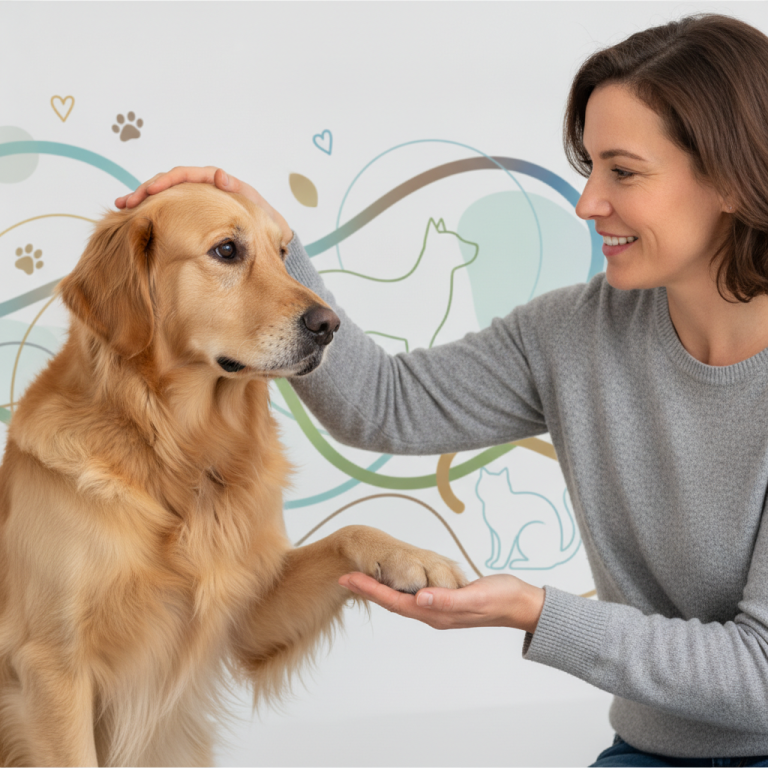
- Prioritize Positive Reinforcement: Reward the behavior you want to see (calmness, attention, obedience). This builds trust and strengthens the bond.
- Be Consistent: Everyone in the house should follow the same rules and routines. Inconsistency is one of the greatest balance saboteurs.
Trade-offs and Honest Considerations
- Time and Effort: Promoting a dog's balance requires significant investment of time and daily effort.
- Realistic Expectations: Not every dog will be a”.Breeds have predispositions.A hunting dog will still have instinct of pursuit; a guard dog will be more vigilant.The balance is about managing and directing these instincts in a healthy way.
- Complex Problems: Some behavior problems (severe aggression, deep phobias) require the intervention of a qualified professional 'Director with experience in behavioral modification or a behavioral veterinarian.Do not hesitate to seek this help.Do not try to solve or apply inappropriate methods can worsen the situation.
- The Tutor's Role: Often, the imbalance of the dog reflects the routine, stress or lack of knowledge of the owner himself.
Frequently Asked Questions
To complement our guide, we address some of the most common questions about canine balance:
My dog is very agitated, is he unbalanced?
Agitation alone does not mean imbalance, but it can be a symptom. If agitation is constant, the dog can not relax even after exercise and insistently seeks attention, there is likely to be an imbalance. It may be lack of adequate physical or mental exercise, excess stimuli without breaks, or even anxiety. Note the context of agitation and the dog's responses after decompression activities.
I adopted an adult dog with an unknown history, is it possible to balance it?
Yes, definitely! Adult dogs, even with traumas or difficult history, have a great ability to learn and adapt. The process may require more patience and often the help of a professional.The focus should be on building a safe environment, predictable routine, positive reinforcement to build confidence and address any fear or reactivity gradually and safely. It is never too late for a dog to find its balance.
My dog is fearful. How can I help him to be more balanced?
Fear is a natural emotion, but excessive fear indicates imbalance.To help, avoid forcing your dog to interact with what scares you. Instead, use desensitization and counterconditioning techniques: expose him to the feared stimulus at a distance where he still feels safe and associate this exposure to something positive (high-value snacks, favorite games). Increase proximity very gradually. Provide a safe “port at home. Patience is key, and professional help is highly recommended for severe cases.
How long does it take to see results when trying to balance my dog?
There is no fixed deadline.It depends on the age of the dog, the severity of the initial imbalance, the breed, the history and, above all, the consistency and dedication of the tutor. You can start to see small positive changes in a few weeks, such as greater calmness at home or better response to commands. However, for a complete and lasting transformation, the process can take months or even more than a year. Balance is a journey, not a destination.
Understanding the characteristics of a balanced dog and applying the pillars of canine well-being is an act of love and responsibility. By observing your dog more closely, understanding his real needs and acting with consistency and patience, you will not only be building a happier and more adjusted animal, but also strengthening the bond of trust and partnership. The result will be a much richer and more harmonious shared life for both. Start today to tread this path of observation and dedication, and watch your canine companion flourish.