Understand the meaning of the dog gesture when placing the paw on the tutor
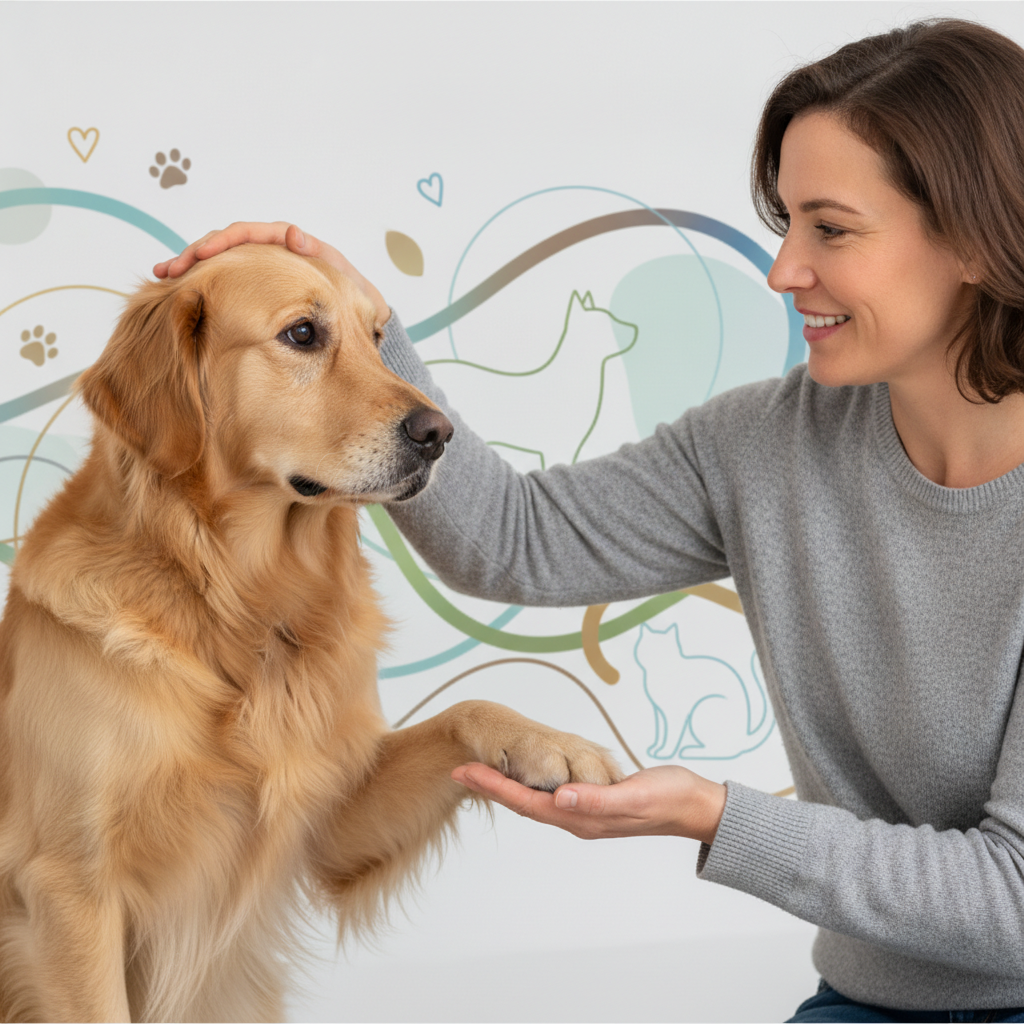
Your dog usually puts his paw on you? For many owners, this is a caring and comforting gesture, part of the routine of affection and interaction with his four-legged companions. However, what seems to be a simple touch can carry a multitude of meanings, from a request for attention, through the search for comfort, to more subtle signs of need or even discomfort. Understanding the true message behind this so common gesture is fundamental to improve communication with your animal, strengthen the bond and ensure your well-being. It is not just about returning a affection, but deciphering an essential form of canine communication that, if misunderstood, can lead to a real neglect or even misunderstood.
The Spectrum of Motivations: Why Your Dog Extends His Paw
The gesture of a dog putting its paw on the tutor is a multifaceted behavior, with roots in social instincts and the dynamics of the human-animal relationship. Understanding the range of reasons that lead a dog to extend its paw is the first step to a more conscious interaction.
One of the most universal reasons is the search for attentiondogs are social animals and depend on interaction with their owners. A paw touch can be a gentle reminder of their presence, an invitation to play, a request for more affection or simply a way of saying “estou here” If the tutor is distracted by the cell phone, a book or someone else, the paw may be the method chosen by the dog to redirect focus.
The gesture is also a powerful indicator of affection and connectionjust as we humans use touch to express affection, dogs employ it to demonstrate attachment and love. Placing the paw on you can be an act of comfort, an attempt to strengthen physical contact and reaffirm the bond.
Also, the paw can be used as a form of request or demand. Your dog may be requesting something specific: a walk, food, a toy, or perhaps for you to open the door. In these cases, the gesture is usually accompanied by other signs that specify the demand. For example, a paw on the leg followed by a look directed at the empty bowl or the leash.
In certain situations, the touch of the paw may be a sign of comfort or emotional supportdogs are sensitive to human emotions and, when they perceive their sad or stressed guardian, they can extend their paw as a consolation gesture. Conversely, if the dog itself is anxious or insecure, it can use its paw to seek safety and reassurance from the guardian, seeking validation that everything is fine.
Finally, we cannot rule out that the gesture, on rare occasions, may indicate a physical discomforta dog with pain, especially in an area of difficult access, can use the paw to draw its attention to the affected region, although this is a more unusual sign and usually accompanied by other signs of pain. The differentiation between these motivations depends deeply on careful observation of the context and body language of the animal.
The Key Is in Context: Deciphering Canine Body Language
Understanding the paw gesture in isolation is like trying to read a single word of a sentence. To decipher the full message, it is essential to observe the context and general body language of your dog. The same action of putting the paw can have totally different meanings depending on how the dog performs it and the signs that accompany it.
Observe the paw touch type. Is it a light and subtle touch, almost a paw rest, usually accompanied by a relaxed body and soft eyes? This may indicate affection, search for comfort or a gentle form of attention.It is a more insistent nudge, sometimes with the nails, followed by a fixed look and perhaps a pushing muzzle? This may be a more urgent request for something specific (food, walk) or a sign of impatience.
A general body posture a relaxed body, with its tail wagging gently (or even stopped but without stiffness), ears in a natural position and a calm facial expression, usually suggests affection or a search for positive interaction.In contrast, a tense, stiff body with ears back (indicating fear or submission) or forward (indicating alertness), an excessive yawning or licking of the lips can signal stress, anxiety or discomfort. If the dog shrinks slightly or looks away while extending the paw, it may be a sign of submission or insecurity.
A gaze direction if he puts his paw on you and then directs his gaze to a specific object (the food bowl, the door, a toy), the message is clear: he is asking for that item or activity. If the look is straight in your eyes, with a sweet expression, it is likely that he is seeking connection and affection. If the look is diverted or the dog blinks excessively, it may indicate anxiety.
Vocal signs such as barking, whining or moaning, when combined with the gesture of the paw, reinforce the message. A soft bark or a low whining can be an invitation to play or a more urgent request for attention. A subtle growl (rare along with the paw in a tutor, but possible in resource protection contexts) is a warning sign to be taken very seriously.
Consider the environment and the moment it is also important. Does your dog put his paw when you are about to leave? Probably he does not want you to go or is asking for one last affection. Does he do this when you have just arrived home? It is an expression of joy and longing. The combined observation of these elements allows a much more accurate reading of your dog's intentions, turning the paw gesture of an enigma into a clear message.
Beyond Affection: When the Paw Indicates Need or Discomfort
While the paw is often a gesture of affection, it is vital to recognize that it can be the first clue to something deeper. Ignoring these signs can compromise your dog's well-being and the quality of your relationship.
Excessive Attention and Demanding Behaviors
If your dog puts his paw on you incessantly, especially when you try to ignore him or are busy, it may be a sign that he has learned that this behavior warrants his attention.Although wanting attention is natural, overly demanding behavior may indicate:
- Lack of environmental enrichment: Your dog may be bored and without proper stimulation.
- Separation anxiety: The paw can be a desperate attempt to keep in touch, especially before or after you leave.
- Involuntary reinforcement: You may have unwittingly rewarded demanding behavior (with affection, conversation, food) at times that were not ideal, teaching the dog that insisting works.
Anxiety, Stress and Search for Reaffirmation
Dogs who feel anxious or stressed often seek comfort in their owners. The touch of the paw in these cases is not just a request for affection, but a search for reassurance and security. This can happen in situations such as:
- New environments or people: The dog may feel uncomfortable and seek your closeness.
- Loud noises: Fireworks, storms, or unusual noises can cause the dog to seek solace.
- Illness or pain: A sick or pain dog may feel vulnerable and seek the safety of the guardian.
In these scenarios, the paw is usually accompanied by other signs of stress, such as low ears, tail between the legs, excessive yawning, tremors, or attempts to hide.
Indications of Physical Pain or Discomfort
Although less common, a dog may use the paw gesture to signal that something is not physically right. If your dog, who normally does not have this habit, begins to put the paw on you persistently, or if the gesture is accompanied by:
- Stain or difficulty moving.
- Licking or nibbling a body part repeatedly.
- Reluctance to be touched in a certain area.
- Changes in appetite, sleep, or general behavior.
- Weeping, whining, or vocalizations of pain.
In such cases, the paw can be a way to direct your attention to a health problem.A visit to the vet is indispensable to rule out any underlying medical condition.
Conscious Answers: What to Do and What to Avoid
The way you respond to your dog's paw gesture shapes communication between you. A conscious response strengthens the bond and teaches your dog appropriate ways to communicate, while inappropriate responses can create confusion or reinforce unwanted behaviors.
How to Constructively Respond:
- Reward Genuine Affection: If your dog puts his paw on you in a relaxed way, with soft eyes and a calm body, reciprocate the affection. This reinforces that mutual affection is welcome and that he is communicating in a positive way. Use the soft voice, a quiet caress and demonstrate that you understand the gesture of love.
- Meet Legitimate Needs: If the dog is asking for something specific and legitimate (e.g., pointing to the door to do the needs, indicating the empty bowl at meal time), recognize the request. If it is something you approve, such as a walk at the right time, attend. This teaches that communication works and that you are responsive to your needs.
- Teach Alternative Behavior for Excessive Demand: If the dog is overly demanding with the paw, ignore the behavior *the moment it occurs* (avoid looking, touching or talking). When he stops, even for a second, reward him for being calm. You can also teach a command of “fica” or “hwaits” and reward obedience. This teaches patience and that attention will come when he is calm.
- Offer Comfort for Anxiety: If the paw indicates anxiety or insecurity, offer support. This can be a reassuring affection, an invitation to lie near you, or move the dog away from the source of stress.The goal is to calm and reassure, not reinforce the fear.
- Investigate Suspicions of Pain: If you suspect physical pain or discomfort, watch for other signs.Gently touch your dog's body to identify tender points.If suspicions persist, make an appointment with the veterinarian as soon as possible.
Common Mistakes and What to Avoid:
- Reward Unwanted Demand: Giving attention, food or play every time the dog pokes with its paw, especially insistently, teaches that “incomodar” is the best way to get what it wants. This can lead to a hyper-demanding dog.
- Punish Gesture: Never scold or punish your dog for putting his paw on you. Punishing a dog for trying to communicate can break trust, generate fear and suppress communication, making it harder for him to express his needs in the future.
- Ignore Warning Signs: Discarding the gesture of the paw as “only a” affection when it is accompanied by signs of pain, anxiety or stress is a serious mistake.Careful observation is crucial.
- Generalize Answers: Treating every paw touch the same way is a mistake. The answer should be shaped by reading the context and body language of the dog, differentiating a request for affection from a request for help.
You want a dog that feels loved and safe to communicate, but also a dog that understands boundaries and is not overly demanding.
Frequently Asked Questions About Paw Gesture
To further deepen the understanding of this behavior, we have gathered some of the most common questions from tutors.
My dog always puts his paw on me when I want to stop petting. What does that mean?
This is a classic sign that he is enjoying the affection a lot and wants you to continue. It is a way of “pedir more”, seeking to extend the interaction and physical contact. It is a generally positive behavior that indicates pleasure and attachment. You can give in for a while, but you can also gently remove the paw and wait for it to calm down before resuming affection if you want to teach that affection ends when you decide.
Should I ignore my dog when he puts his paw on me asking for something?
Do not ignore completely, but evaluate the context. If it is a legitimate and appropriate request (eg, need to go to the toilet, meal time), attend. If it is an insistent request for excessive attention or a demanding behavior, such as asking to play ball when you are busy, you can temporarily ignore the gesture of the paw. However, it is crucial to reward the dog when he calms down and stops poking, or when he tries to communicate more quietly, so that he learns that calm is rewarded.
What if the paw gesture is accompanied by other signs of stress, such as ears back or tremors?
In this case, the paw is not a request for play or affection, but a search for safety and comfort due to anxiety or fear. It is essential to identify the source of stress (a noise, a visit, a new environment) and offer comfort and protection to your dog. Calm him with a soft voice, a gentle cuddle and remove him from the stressful situation, if possible. If stress is chronic, seek a veterinarian or a behavioral ethologist.
Is there any breed more prone to this paw-laying behavior?
There is no strict rule, but some breeds tend to be more expressive with their paws, such as those that use their paws to manipulate objects or interact (ex: Poodles, Golden Retrievers). However, this is a very individual behavior, shaped by the personality of each dog, its history, how it was raised and how its owners responded to this gesture. Dogs that learn that the paw is an effective form of communication tend to use it more, regardless of the breed.
Understanding the meaning of your dog's paw gesture is an invitation to deepen the bond and communication between you. By observing the context, body language and responding consciously, you will not only meet your friend's needs, but also build a richer and more harmonious relationship.Be an attentive observer, a patient listener and a responsive tutor, and you will find that your dog has a lot to tell you with a simple paw touch.