Preparation of the House for the Arrival of a Dog
The arrival of a new dog is a time of joy and great expectation in any home. Whether it is a puppy full of energy or a rescued adult seeking a second chance, the excitement is contagious. However, it is precisely in this period of euphoria that many potential tutors underestimate the most crucial step: the meticulous preparation of the home environment. A poorly prepared home can turn the long-awaited reunion into a source of stress, accidents and difficult adaptation, both for the dog and for the family. This guide has been designed to demystify and guide you, step by step, to create a safe, welcoming and functional home, ensuring a harmonious transition and a happy coexistence.
1. The Essential: Security and Protection (Dog-Proofing)
Before you even think about toys or bedding, the top priority is to ensure the safety of your new family member. Dogs are curious by nature and explore the world with their mouth, which means that everything within reach can become a potential risk. Performing a full “dog-proofing” is an invaluable investment in peace of mind.
Common Threats at Home: What to Watch for and How to Resolve
- Electrical Wires and Cables: They are an irresistible temptation for bites, which can cause severe burns, electric shocks and even death.
- Solution: Hide them behind furniture, use cable protectors or rigid plastic conduits, and secure them out of the dog's reach. Disconnect electronic devices that are not in use.
- Toxic Plants: Many common plants in Brazilian homes and gardens are poisonous to dogs. Examples include with Me-no-one-can, Azalea, Adam's rib, Lily, Saint-George's Sword, Mamona, Parrot's Beak, and Jeboy.
- Solution: Remove all toxic plants from the house or place them in inaccessible places.If you have questions about a specific plant, research or consult a veterinarian.
- Cleaning Products and Chemicals: Disinfectants, detergents, bleaches, insecticides, paints, solvents and even personal care products can be lethal if ingested.
- Solution: Keep all these products in high locked cabinets or with safety locks. Never leave them on the floor or on low shelves.
- Human and Veterinary Medicines: They are one of the main causes of poisoning in pets.
- Solution: Store all medications in safe places, out of the reach and sight of the dog. Never medicate your pet with human medications without veterinary guidance.
- Small and Engulfable Objects: Coins, earrings, hairpins, rubber bands, small pieces of children's toys, pieces of cloth, socks, and even fruit lumps can cause choking or intestinal obstructions.
- Solution: Keep the floor free of small objects.Become to store your belongings in safe places.If there are children at home, educate them about the importance of storing their toys.
- Garbage: Remains of spoiled food, chicken bones (which can chip and puncture), plastic packaging and other discarded items pose serious risks.
- Solution: Use trash cans with firm, heavy lids, or that can be locked, especially in the kitchen and bathroom. Empty them regularly.
- Windows and Balconies: In apartments or houses with floors, falling is a real danger.
- Solution: Install secure protective screens on all windows and balconies that the dog can access.Make sure the mesh is sturdy and the installation professional.
- Stairs: For very young puppies, elderly dogs or those with mobility problems, stairs can be an obstacle or source of accidents.
- Solution: Consider using child safety gates at the bases and tops of stairs, at least for the first few days or for dogs with special needs.
Restricted Areas: Where the Dog Should Not Go Initially
It is important to define which areas of the house will be freely accessible and which will be restricted, especially at the beginning. This helps with training and security. For example, kitchens may have restricted access during food preparation, or specific rooms may be “forbidden” to protect valuables or privacy. Use gates or barriers to delimit these spaces.
2. Creating a Safe and Own Space for the Dog
Every dog needs a refuge, a place where he can feel safe, relax and withdraw from the hustle and bustle of the house. This personal space is fundamental to his well-being and adaptation.
The Dog's Corner: Refuge and Comfort
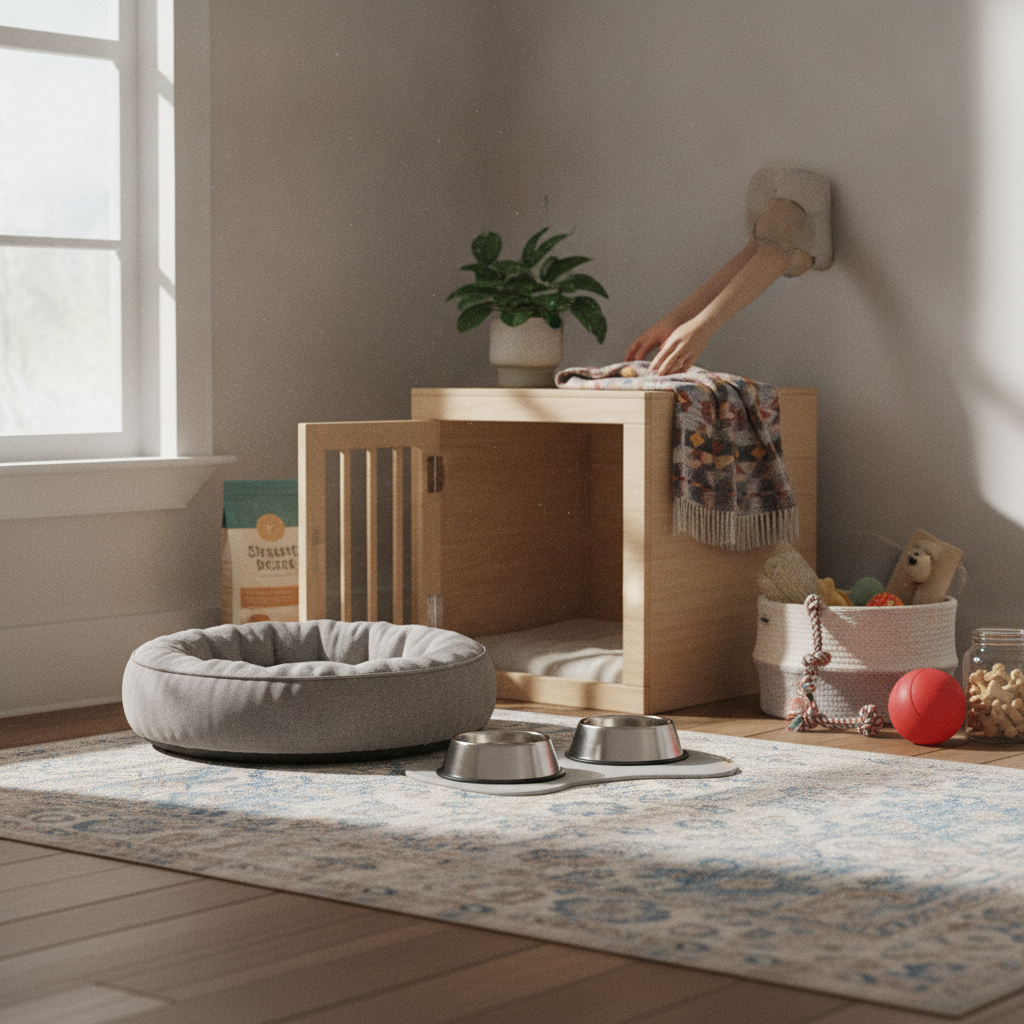
- Strategic Location: Choose a quiet place, away from drafts, heavy traffic of the house (entrance doors, busy corridors) and excessive noise (washing machines, very high televisions). It can be a corner of the room, a quiet room or a specific area of the laundry, depending on the size and characteristics of your home. The important thing is that it is a place where he can observe, but also feel protected.
- Bed or Mattress: Invest in a comfortable bed and size suitable for your dog. It should be sturdy, with material easy to clean and, if possible, machine washable.There are orthopedic options for dogs with elderly or joint problems. The bed should be a place of rest and positivity.
- Transport Box (Kennel/Crate): Far from being a punishment, the transport box, when introduced correctly, can be a valuable resource.It simulates the natural “toca” of the dog, offering a safe space for rest, assisting in hygiene training (dogs are reluctant to soil their resting place), and facilitating safe transportation.
- Size Choice: The box should be large enough for the dog to get up, turn and lie down comfortably, but not so large as to allow him to do his needs in one corner and sleep in another. If it is a puppy, a partition can be used to adjust the space as he grows.
- Positive Introduction: Make the box a pleasant place, associating it with positive moments (meals, favorite toys, snacks). Never use it as punishment.
Areas of Food and Hydration
These are vital points that need to be well planned.
- Food and Water Pots: Prefer stainless steel or ceramic pots, which are more hygienic, easy to clean and durable. Avoid plastics, which can accumulate bacteria and in some cases cause allergies or irritations to the muzzle.
- Location: Choose a fixed and quiet place for the pots, away from the resting place and ideally away from the area where the dog will make his needs. A non-slip mat under the pots can help prevent spills and maintain hygiene.
- Fresh and Clean Water: Keep fresh, clean water available in abundance. Consider a source of water for dogs, which encourages drinking more and keeps water circulating and filtered.
3. Essential Items for Arrival
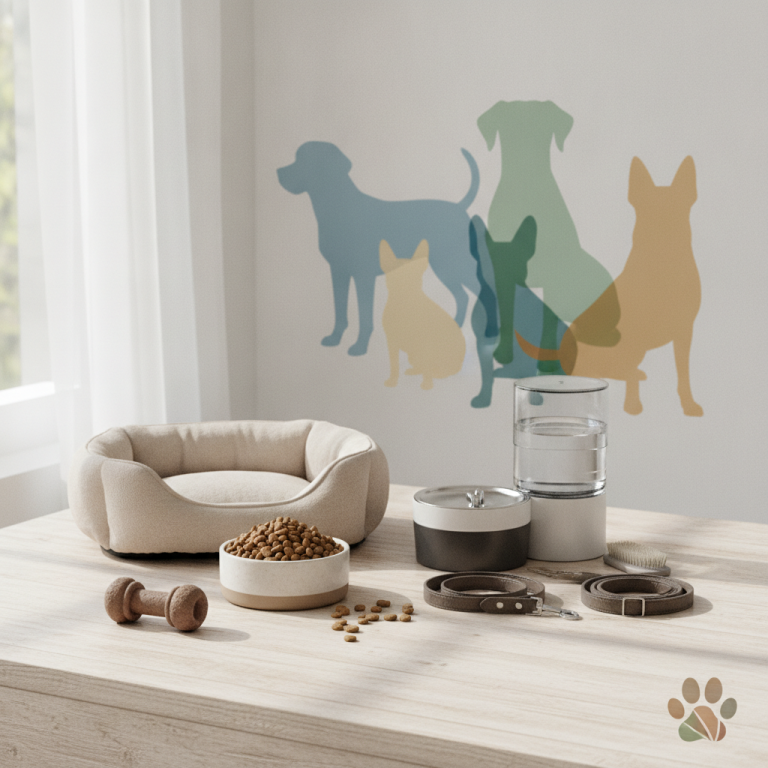
With the security guaranteed and the space set, it is time to provide the basic items that will be part of the day to day of your dog. It is recommended to have all this at home before his arrival.
Food & Nutrition
- Feed: If possible, find out what feed the dog was consuming previously and buy a small package for the first days. Sudden changes in diet can cause gastrointestinal disorders. If you are changing feed, do it gradually over 7 to 10 days, mixing the new with the old in increasing proportions. Consult a veterinarian to choose the most appropriate feed for the age, size, activity level and specific needs of your dog.
- Snacks: Useful for training and positive reinforcement, choose healthy options with few ingredients.
Toys: Stimulation and Entertainment
Toys are more than fun; they are essential for the mental, physical and emotional development of the dog, helping to direct energy and chewing to appropriate objects.
- Types of Toys:
- Chewable: Recreational bones (not really, but nylon or rubber toys), Kongs (which can be stuffed with peanut butter or frozen pate to prolong interest).
- Interactive/Puzzles: They dispense feed slowly, stimulating the dog to think to get his reward.
- Plush: For dogs that like to “hunt” and shake. Choose sturdy models without small parts that can be swallowed.
- Balls: Of sizes suitable for not being swallowed or causing choking.
- Choice Criteria: Opt for durable toys, made of non-toxic materials and of a size appropriate for your dog's size. Inspect them regularly and discard the damaged ones to avoid ingestion of pieces. Have a variety and make a “rodizio” to keep the interest.
Hygiene and Basic Care
- Collar and Guide: Essential for walks and identification. Choose a comfortable and adjustable collar, of resistant material. For dogs that pull a lot, specific pectoralis may be more indicated.The guide should be safe and of adequate length (usually 1.5 to 2 meters).
- Identification board: A must-have item! Must contain the dog's name and, fundamentally, one or more updated contact phones from the tutor. Even dogs with microchips must use nameplate.
- Brush: The type of brush varies with the type of coat (soft, short, long, double). A regular brushing helps remove dead hair, prevents knots and strengthens the bond.
- Oral Hygiene Products: Toothbrush and toothpaste specific for dogs. Never use human toothpaste.
- Nail Cutter: There are several models. Ask the veterinarian or groomer to demonstrate how to use correctly.
- Shampoo and Conditioner: Specific products for dogs, with balanced pH. Never use human products.
- Hygienic Carpets or Sanitary Tray: If the dog is trained to do the necessities indoors or while you can not go out into the street. Choose a fixed place, away from food and bed.
Basic First Aid Kit
Always have some items on hand for minor emergencies, but remember: they do not replace the veterinary consultation.
- Gauze, adhesive, cotton.
- Physiological serum (for cleaning wounds or eyes).
- Mild antiseptic (such as 0.5% Chlorhexidine or diluted PVPI, ALWAYS with prior veterinary guidance).
- Tweezers (to remove thorns or ticks).
- Rectal thermometer (digital is safer).
- Emergency veterinary clinic contacts.
4. The Acclimatization Plan: First Days
The first days are crucial for the adaptation of the dog.His behavior at these times will shape the perception of the new home and family.
Arrival and Controlled Exploration
- Calm Above All: When you get home, avoid excessive euphoria. Keep your voice calm and movements smooth. Allow the dog to explore the environment at his own pace without being forced or overwhelmed.
- First Point: The Bathroom: Once you arrive, take him to the place where you want him to do his needs (whether on the street, in the yard or on the toilet mat). Reward him generously if he does his needs there.
- Guided Tour: Show him your bed, your food and water pots. Allow him to smell and get acquainted with the smells of the house. Limit the initial exploration to one or two areas so as not to overload him.
Clear Routine and Rules
Dogs are routine animals.Predictability offers safety and help in adaptation.
- Establish Schedules: Set fixed times for feeding, walking, playing and resting. Consistency is the key to hygiene training and for the dog to feel safe and understood.
- House Rules: From the first day, clearly define what is allowed and what is not. Where can he climb? Where can he chew? Use positive reinforcement for the desired behaviors and redirect the unwanted ones.The whole family should follow the same rules.
Socialization and Limits
- Gradual Interactions: Do not force the dog to interact with all family members or visits at once.
- Children: If there are children, educate them on how to calmly interact with the dog, avoiding screaming, pulling and sudden play, especially at the beginning.
- Other Pets: If there are already other animals in the house, the introduction should be done slowly and controlled, on neutral ground if possible, always with supervision and rewards.
Veterinary Visit
This is one of the first and most important tasks. Schedule an appointment for the first few days after the arrival of the dog.
- General Check-up: The veterinarian will do a thorough examination to check the overall health of the dog.
- Vaccination and Vermifugation: Verification of the schedule of vaccines and vermifugation and administration of the necessary doses.
- Microchip: It is recommended to deploy an identification microchip, which is a secure and permanent form of registration.
- Orientations: Take the opportunity to remove all your doubts about food, management, behavior and specific care.
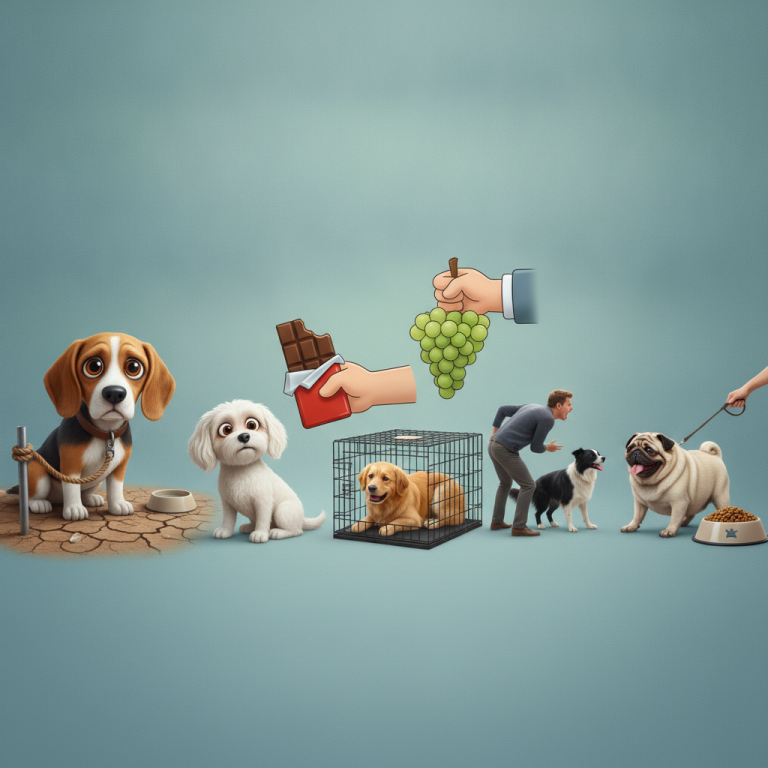
5. Common Mistakes and How to Avoid them
Knowing the most common pitfalls can avoid frustration and ensure a smoother fit.
- Overestimulating the Dog in the First Days: It is natural to want to play a lot, but the excess of stimuli and visitors can be overwhelming for a dog in a new environment.
- Not Setting Clear Limits: The honey“lua” can lead to allowing behaviors that will not be acceptable in the future (climbing on the couch, biting your hands). It is easier to set boundaries from day one than to try to correct them later.
- Change Food Brusquely: As mentioned, this can cause digestive problems. Make gradual transitions and always with quality and adequate feed.
- Ignoring the Need for Training and Socialization: Preparing the house is the first step. Then it is crucial to invest in basic obedience training and continuous socialization for a balanced dog.
- Not Having Patience and Consistency: Adaptation takes time, and each dog has its own rhythm.There will be accidents, barking, whining. Be patient, consistent in the rules and positive reinforcement. Patience is the greatest ally.
House Preparation for a Dog: Essential Checklist
Use this list to ensure that nothing has been forgotten and to track your progress in preparing for home.
- Security (Dog-Proofing)
- [] Protected or out of range electrical wires.
- [] Toxic plants removed or inaccessible.
- [] Cleaning products and chemicals stored in a safe place.
- [] Human and veterinary medicines out of reach.
- [ ] Small, engulfable objects collected.
- [] Recycle bins with secure lids.
- [ ] Screened windows and balconies (if applicable).
- [] Stairs with security gates (if necessary).
- [ ] Definition of restricted zones and barriers (if necessary).
- Dog Space
- [] Quiet and fixed location for bed/transport box.
- [] Comfortable and appropriately sized bed/mattress.
- [] Carrying box (kennel) (optional but recommended), correct size.
- [] Clean and fixed food and water containers (stainless steel or ceramic).
- [] Constant supply of fresh water.
- Essential Items
- [] Adequate food (the same as he was eating or for transition).
- [] Healthy snacks for training.
- [] Varied and safe toys (chewable, interactive, balls).
- [] Proper collar and guide.
- [ ] Name and telephone name plate.
- [] Brush for the dog's coat.
- [] Nail clipper.
- [] Dog-specific toothbrush and toothpaste.
- [] Shampoo and conditioner for dogs.
- [] Hygienic or local rugs for needs.
- [] Basic first aid kit for pets.
- Planning & Routine
- [ ] Set times for food, walks, games.
- [ ] House rules established and communicated to the family.
- [] Contact of the trusted and emergency veterinarian.
- [ ] Scheduling of the first visit to the veterinarian.
Preparing the house for the arrival of a dog is an act of love and responsibility that directly reflects on the quality of life of the animal and the harmony of the home. Although it may seem like an extensive list, each item contributes to the safety, comfort and rapid adaptation of your new friend. Investing time and effort in this initial stage means building a solid foundation for a happy and healthy coexistence for many years. Remember, patience, consistency and great affection are the final ingredients for the success of this beautiful journey.