Guide to Meeting the Essential Needs of Dogs
The love for our dogs is unquestionable.However, often this genuine passion is accompanied by a gap in knowledge about what they really need to thrive, not just survive. Dedicated guardians are faced with a sea of sometimes contradictory information about nutrition, health, behavior and well-being. The real problem is not the lack of love, but the uncertainty of how to translate this affection into concrete actions that meet the instinctive and biological needs of a canine being. This guide has been prepared by an experienced specialist to offer a clear and practical script, transforming good intention into a conscious and effective care routine, ensuring a full and healthy life to his companion.
Nutrition & Fuel for a Healthy and Long Life
Choosing the right food and providing it properly is one of the greatest acts of love and responsibility.
Feed Quality: Deciphering the Label
- Commercial Feed: There are several categories, and the choice is crucial.
- Premium and Super Premium: They are the most recommended.They are characterized by high quality ingredients, high digestibility and balanced formulations for different stages of life (child, adult, elderly) and sizes. Usually, they have meat (chicken, beef, fish) as the first ingredient on the list, which indicates a source of protein of greater biological value.
- Standard and Economic: They may be more affordable, but often contain a higher proportion of by-products, corn and soy as the main ingredients, which can result in lower nutrient absorption, higher stool volume, and long-term health problems.
- Decision Criteria: When reviewing the label, look for:
- First Ingredients: They should be sources of animal protein (meat meal, boneless chicken, salmon, etc.).
- Absence of Unnecessary By-products: Avoid feed with excess of “ananimal products” unspecified”.
- Carbohydrate Sources: Sweet potatoes, brown rice, oats are better than corn or soy in excess.
- Additives and Preservatives: Prefer natural preservatives (tocopherols, citric acid) and avoid artificial colors.
Quantity and Frequency: Avoiding Common Errors
- Calculation of the Ideal Portion: The packaging of the feed provides an essential guide, based on the weight of the dog and the level of activity.However, watch your dog: if he is gaining or losing weight, adjust the amount gradually.
- Frequency:
- Puppies: 3 To 4 meals daily due to rapid metabolism and growth.
- Adults: 2 Daily meals are ideal for most dogs, helping to prevent abdominal distension and keep the metabolism active.
- Elderly Dogs: They may benefit from 2 to 3 smaller meals to facilitate digestion.
- Common Mistakes:
- Excess of Snacks: Snacks should be given in moderation and represent a maximum of 10% of daily caloric intake.
- Ad Libitum food (at will): It is not recommended for most dogs, as it can lead to obesity.Exceptions can be dogs with very high energy expenditure, but always under veterinary guidance.
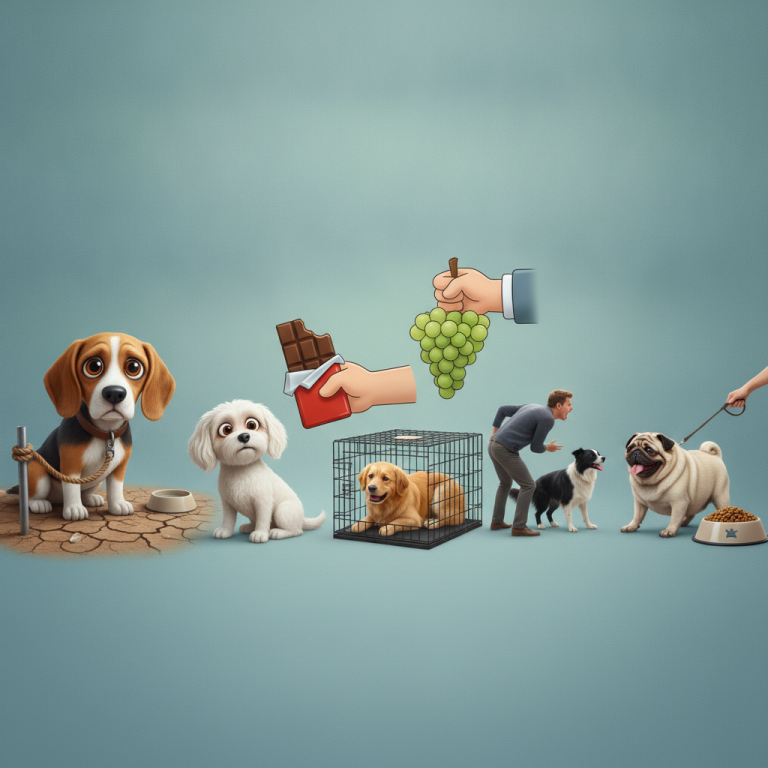
- Table Food: Many human foods are toxic (chocolate, grape, onion, garlic) or nutritionally inadequate (high-fat, salt, sugar).
Hydration: Water is Life
- Always keep fresh, clean water available in abundance. Change the water several times a day and wash the container regularly to prevent the proliferation of bacteria.
- Consider ceramic or stainless steel drinking fountains, which are easier to sanitize than plastic ones.Fountain-type drinking fountains can encourage dogs to drink more water.
Homemade or Natural Diets (BARF/AN):
- Pros: Full control of ingredients, absence of additives and industrial preservatives.
- Cons: High risk of nutritional imbalance if not formulated by a veterinary nutritionist.Lack of essential nutrients or excess of others can cause serious long-term health problems.
- Decision Criterion: If you consider this option, the follow-up of a veterinarian specializing in nutrition is obligatory from day one, don't improvise.
Preventive Health and Physical Well-Being - A Long, Disease-Free Life
Prevention is always the best medicine.A health care routine minimizes risks and ensures early detection of any anomaly.
Regular Veterinary Visits: The Keeper of Health
- Frequency:
- Puppies: Multiple visits for the vaccination and deworming protocol, in addition to growth monitoring.
- Adults (1 to 7 years): Annual, for general check-up, booster vaccinations and routine check-ups.
- Elderly (over 7 years): Semiannual, or as directed, with more specific tests to monitor organs, joints and detect degenerative diseases early.
- What to Expect: Complete physical examination (weight, teeth, eyes, ears, coat, abdominal palpation), updating of vaccines, guidance on deworming and parasite control, and blood/urine tests as needed.
Vaccination and Vermifugation: Protective Shields
- Essential Vaccination:
- V8 or V10 (Multiple): It protects against distemper, parvovirus, infectious hepatitis, adenovirus, parainfluenza and leptospirosis. It begins in puppies, with annual reinforcements.
- Anger: Mandatory by law in many locations, usually applied from 4 months, with annual reinforcement.
- Cough of the Kennels (Canine Flu): Recommended for dogs attending daycare, parks or traveling.
- Giardia: Not essential for everyone, but recommended for dogs with greater exposure.
- Vermifugation:
- Puppies: From 15 days of life, every 15-21 days until 3-4 months.
- Adults: Usually every 3-6 months, depending on the environment and lifestyle.
- Vermifuge's Choice: The veterinarian will indicate the correct product and dosage for the common worm spectrum in your area.
External Parasite Control: Fleas and Ticks
- Essential for preventing diseases such as Ticks Disease (Babesiosis, Ehrlichiosis) and Allergic Flea Bite Dermatitis (DAPP).
- Methods: Collars, pipettes (spot-on), chewable tablets and sprays.
- Decision Criterion: Choose based on the environment (urban, rural, areas with high infestation), dog lifestyle (walks in parks, contact with other animals), age and general health. Tablets usually offer more complete and lasting protection. Always consult the veterinarian for the best option.
Hygiene: Part of the Preventive Routine
- Baths: Frequency varies with breed, coat and lifestyle. Short-haired dogs may need baths every 3-4 weeks; long-haired dogs may need it every 1-2 weeks.
- Tooth Brushing: Ideally daily, or at least 3 times a week. Use a dog-friendly toothbrush and toothpaste.It is crucial to prevent tartar, gingivitis and periodontal disease.
- Nail Cut: Fundamental to avoid discomfort, pain and posture problems. Active dogs can spend their nails naturally, but many will need cutting every 2-4 weeks. Learn the correct technique or take it to a professional, as there is a risk of cutting the living part (sabugo), causing pain and bleeding.
- Ear Cleaning: Clean with cotton and specific product (indicated by the veterinarian) only the visible part, without deepening into the ear canal. Sign of inflammation (redness, foul smell, discharge) requires veterinary consultation.
Signaling Problems: What to Watch For
Your dog does not speak, but shows signs. Watch out for:
- Changes in appetite or water intake.
- Changes in sleep pattern or energy level.
- Vomiting, diarrhea, or changes in color/consistency of stool.
- Difficulty urinating or changes in urine color.
- Cough, sneezing or nasal/ocular discharge.
- Skin blemishes, excessive itching, hair loss.
- Claudication (manqueira) or reluctance to move.
- Behavior changes (aggressiveness, apathy, anxiety).
Any of these signs persisting for more than 24 hours justifies a veterinary consultation.
Physical Exercise and Environmental Enrichment - Mind and Body in Balance
Dogs are active and curious beings. Neglecting their exercise needs and mental stimulation is one of the biggest causes of behavior problems.
The Importance and Types of Exercise
- It's Not Just a Walk: The intensity and duration of exercise should be appropriate to the breed, age and energy level of the dog. A Beagle has different needs than a French Bulldog or a Border Collie.
- Types of Exercise:
- Regular Hiking: Essential for everyone.They allow you to explore the environment, smell and exercise.
- Racing/Intense Jokes: For more athletic breeds (Border Collie, Labrador, German Shepherd). Dumpling, frisbee, agility.
- Swimming: Great for joints and fitness, especially for dogs with joint problems or the elderly.
- Internal Play: Pull rope, hide snacks, interactive toys for rainy days or small spaces.
- Frequency and Duration: Most adult dogs require at least 30-60 minutes of moderate to intense physical activity per day, divided into one or two sessions. High-energy dogs may need 1-2 hours or more. Sedentary lifestyle leads to obesity, muscle atrophy, heart problems, and often destructive behaviors or anxiety.
Environmental Enrichment: The Mind in Motion
- Boredom is a silent enemy.Environmental enrichment aims to stimulate the senses of the dog and promote natural behaviors.
- Interactive Toys: Kongs stuffed with peanut butter (without xylitol!) or frozen wet food, snack dispensing balls, dog puzzles.
- Treasure Hunt: Hide treats around the house and let the dog use his sense of smell to find them.
- Toys Caster: Don't leave all the toys available all the time.Save some and switch them to keep the interest.
- New Experiences: Take your dog for walks in different places (parks, squares, busy streets & always with safety and collar) so that he can explore new smells and landscapes.
Social Interaction: Developing Skills
- With Other Dogs: It is vital, provided it is done safely and supervised. Dog parks can be good, but watch body language and avoid aggressive dogs.If your dog is a puppy, a controlled socialization in daycare centers or socialization classes is excellent.
- With People: Exposing the puppy to different types of people (children, the elderly, men, women, people with a hat, etc.) helps to develop a sociable and balanced dog.
Training and Socialization - The Basis of Harmonious Coexistence
A well-trained and socialized dog is a pleasure for the family and the community. Training is not only for”“truques, but for communication and safety.
The Importance of Basic Training
- Essential Commands: “Senta”, “Fica”, “Aqui”, “Deita” and “Vem” are more than tricks; they are communication and safety tools.The “vem” command can save your dog's life in a dangerous situation.
- Positive Reinforcement: Reward desired behavior with treats, treats, toys, or compliments. Avoid physical punishments or screams, which can generate fear and break trust.
- Early Start: Training and socialization should begin as early as possible, ideally in the puppy stage.However, dogs of any age can learn.
Advanced and Behavioral Training
- Behavior Problems: Excessive barking, destruction of furniture, separation anxiety, aggression, fear. Many of these problems arise from lack of exercise, socialization or mental stimulation.
- When to Seek Professional Help: If behavioral problems persist or are dangerous, seek out a certified dog trainer or behaviorist.They can identify the root cause and develop a behavioral modification plan.
- Honest Trade-off: Training takes time, patience, and consistency - Ignoring early behavioral problems is a common mistake that can cost a lot more in the future, both financially and emotionally.
Continuous Socialization
- Socialization does not end in the puppy stage. Keep your dog exposed to new experiences in a controlled and positive way.
- Canine Body Language: Learn to read the signs of your dog (tail, ears, posture, look) and other dogs. This will help you avoid stressful or dangerous situations and better understand the needs of your pet. A dog that shows the belly in submission sign or a dog that yawns and licks the lips in a stressful situation are examples of communication that should be understood.
Environment and Safety - A Safe and Stimulating Home
The home should be a sanctuary for your dog, a place where he feels safe, comfortable and stimulated.
Adequate Space and Comfort
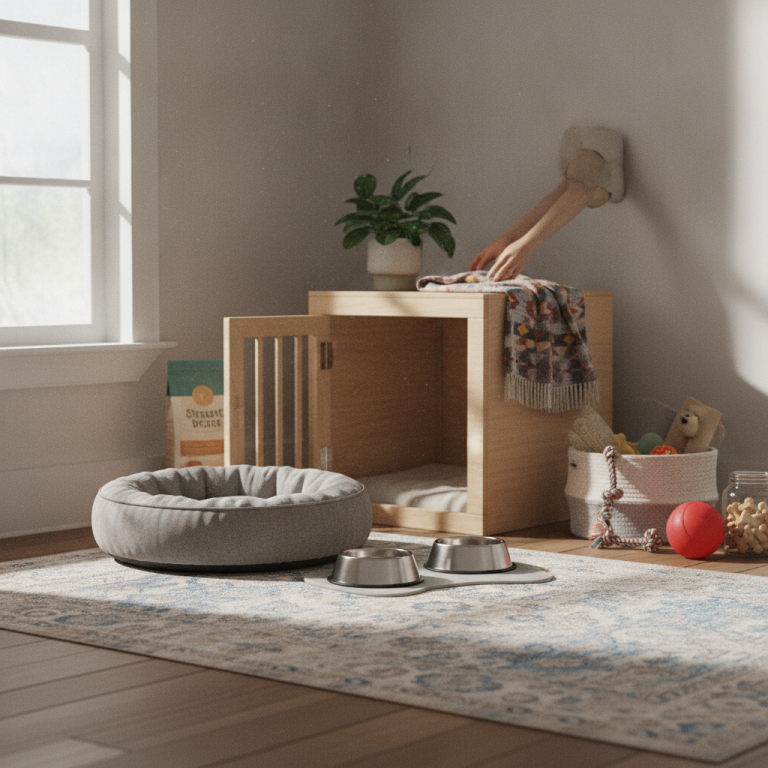
- Rest Area: A comfortable bed and own, in a quiet place of the house, where he can feel safe and untouched. Avoid places of passage or exposed to drafts.
- Areas for Food and Water: Clean containers, in a fixed and quiet place.
- Access to the Outside: If the dog has access to a yard, make sure the area is safe, with high fences and no holes.
- Weather Protection: If he spends time outdoors, ensure access to shade, shelter from rain and cold.
Home Safety: Preventing Accidents
- Toxic Plants: Research and remove common plants in the home and garden that are toxic to dogs (e.g., Lily, No-one-can-go-to-go, Azalea).
- Chemicals: Store cleaning products, medicines, paints and other chemicals in inaccessible places.
- Electrical Cables: Protect or hide cables to prevent them from being bitten.
- Small Objects: Keep small objects (buttons, coins, jewelry) out of reach to avoid choking.
- Garbage: Use trash cans with a lid to prevent the dog from turning and ingesting something dangerous.
- Swimming pools and balconies: If you have a swimming pool, make sure that the dog does not have unattended access. Install screens or protective grilles on balconies or windows.
Identification: The Return Home
- Collar with Identification Plate: Essential and mandatory. It should contain the dog's name and one or two contact phone numbers. Keep it always on the dog.
- Microchip: It is a tiny device implanted under the skin, with a unique number that can be read by a scanner. It dramatically increases the chances of reunion in case of loss. The process is fast, practically painless and done by the veterinarian.
Emergency Preparation
- Have a first aid kit for pets (gauze, adhesive, antiseptic, saline, tweezers, gloves).
- Keep the phone number of your veterinarian and an emergency clinic 24 hours always at hand.
- Learn how to get to the nearest veterinary clinic in case of emergency.
Frequently Asked Questions (FAQ)
Is my dog allowed to eat “food from” people?
As a rule, it is not recommended.Many human foods are rich in salt, sugar, fat or contain substances toxic to dogs (such as chocolate, onion, garlic, grapes and xylitol). Small portions of some cooked vegetables (carrot, zucchini) or fruits (apple without seeds, banana in moderation) can be offered as a snack, but should never replace the balanced ration.
How much attention does my dog need per day?
This varies greatly with the breed and individuality of the dog.High-energy dogs or working breeds (such as Border Collies) will need more interaction and mental stimulation than a Bulldog, for example. At a minimum, all dogs need daily walks (2-3 times a day), interactive play and quality time with the family. A dog neglected in attention can develop behavioral problems such as anxiety or destructiveness. Observe the signs of your dog; he will demonstrate when he needs more stimulation or affection.
Should I spay or neuter my dog?
Castration (male) or sterilization (female) is widely recommended by veterinarians. Benefits include: prevention of diseases such as breast cancer and pyometra in females, and prostate problems and testicular cancer in males; reduction of unwanted behaviors such as territory marking, aggressiveness and escapes in search of mating; and, crucially, birth control, combating abandonment.
Meeting your dog's essential needs is an ongoing commitment to love, learning and responsibility. This guide offers a robust starting point, but each tutor's journey with your pet is unique. Observe your dog, learn to read his signs, research with reliable sources, and above all, maintain a constant dialogue with your veterinarian. The reward for this effort is a healthy, happy, balanced dog and an invaluable partnership that enriches both of their lives.Your dog trusts you to be their advocate and provider; honor this trust with the best possible care.