Care to keep the dog clean and smelling with alternatives to bathing
The Evolution of Canine Hygiene: Beyond Traditional Bathing
Concern about the hygiene of our four-legged friends is not recent, but the way we approach it has undergone a significant transformation over the decades. Historically, the idea of keeping a dog clean was almost intrinsically linked to regular bathing. Often, this routine was guided more by the human perception of cleanliness and pleasant smell than by the actual physiological needs of the animal.
However, with the advancement of veterinary medicine and pet dermatology, understanding of the skin and dog hair has deepened.We found that excessive bathing, especially with inappropriate products, can be harmful. Dogs' skin has a protective layer of natural oils, sebum, which serves as a barrier against bacteria, fungi and dryness. Too frequent bathing can remove this essential layer, leading to dry skin, irritation, itching and even predisposition to dermatitis and dryness.
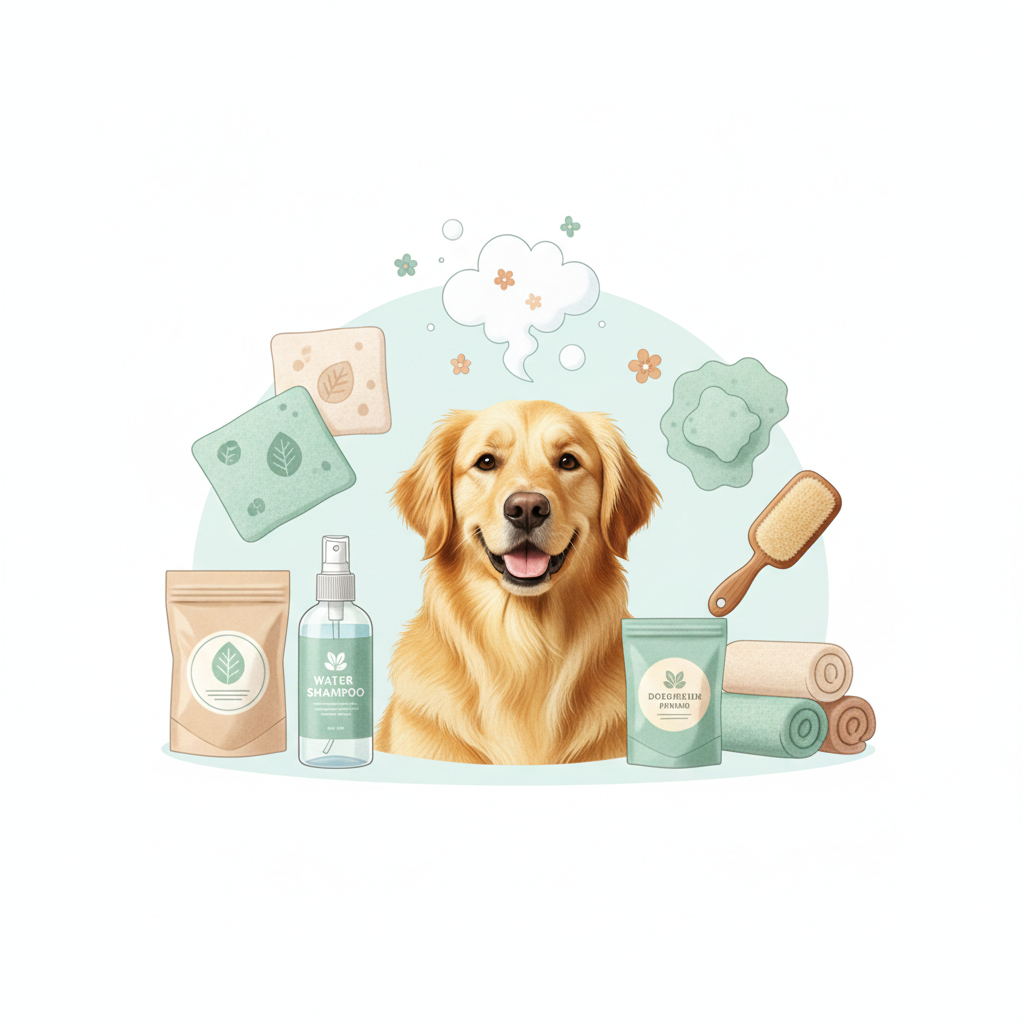
This new perspective has driven the development of alternatives and complements to conventional bathing. The pet industry has responded to this demand with a variety of products formulated to clean and refresh the dog without the need for water and soap in abundance. Today, canine hygiene is seen as a more integrated process, where bathing is one tool among many, and not the only solution to keep the dog clean and healthy. The goal is to balance the need for cleaning with respect for the natural physiology of the skin and hair of the animal, adapting the hygiene routine to the lifestyle, race and individual health of each dog.
The Importance of Caring for Cao Without Submerging it in Water
Adopting alternative methods to traditional bathing is not just a matter of convenience; it is a valuable strategy for dog health and well-being.
First, skin and hair health is a crucial factor. Maintaining the integrity of the skin barrier, rich in natural oils, is vital to protect the dog against irritations, infections and allergies. Too frequent baths can unbalance the pH of the skin, leading to dryness and dermatological problems. Alternatives allow to remove surface dirt and neutralize odors without compromising this natural protection.
Many dogs, for various reasons such as trauma, sensitivity to water or noise, or advanced age, experience great stress during bathing. Offering softer, less invasive cleaning options can significantly reduce anxiety and discomfort, making the hygiene routine a more positive experience for them.
Practicality for tutors is also undeniable. For dogs that get dirty quickly after a walk, or for those with long hair that require more constant care, having quick solutions to remove dirt or refresh the smell is extremely useful. This saves time, water and prevents the wear of a full bath that is not always necessary. In addition, in adverse weather conditions, such as very cold days, or for dogs with health conditions that prevent bathing, alternatives are essential to maintain hygiene without risks.
Finally, these complementary practices contribute to odor control and problem prevention. A dog that is regularly brushed, has clean paws and ears checked, tends to have less accumulated dirt and unpleasant smells, reducing the frequency of the need for full baths and promoting a more pleasant home life.
Our Editorial Perspective: Who Are Alternatives for?
In our editorial review, it is critical to make clear that alternatives to bathing are in most cases not a complete replacement for the deep cleaning that a traditional bath provides. They are, however, incredibly valuable and essential tools to complement the hygiene routine and keep the dog healthy and comfortable between baths.
These solutions are particularly useful for:
- Dogs with sensitive skin or history of allergies, who benefit from reduced exposure to water and bath chemicals.
- Puppies who have not yet completed the vaccination cycle or elderly dogs and dogs with reduced mobility, for whom bathing can be a risk or source of stress.
- Dogs that show water aversion or phobia, allowing less traumatic hygiene.
- Tutors who seek to keep the house and dog clean and fragrant on a daily basis, without the need for a full bath after each muddy ride or minor incident.
- Long-haired dogs that require daily care to avoid us and accumulate dirt, with frequent brushing being the main ally.
- Animals in post-surgical recovery or with wounds, where contact with water is temporarily contraindicated.
However, it is crucial to maintain realistic expectations. A dry shampoo or a dampened cast can remove surface dirt and refresh the smell, but will not have the same cleaning power as a bath with water and shampoo specific for animals. For the removal of dead hair in large quantities, deeper dirt or for specific skin treatments, the bath is still irreplaceable.It is also important not to confuse the masking of an odor with the resolution of the cause. A persistent bad smell can be indicative of health problems, such as skin infections, dental problems or a medical or medical cases should be full.
The choice of products is also a point of attention. Always opt for specific products for dogs, with balanced pH and preferably hypoallergenic and without excessive fragrances, which can irritate the sensitive sense of smell of the animal and its skin. Our recommendation is to integrate these alternatives to a planned hygiene routine, which also includes regular brushing, checking of ears and eyes, and periodic visits to the veterinarian and, when necessary, to the professional of bathing and grooming.
Practical Tips to Keep Your Impeccable Cao in Brazilian Daily Life
For the Brazilian reader, who often deals with a warm climate and an environment that invites to walks in parks and beaches, keep the dog clean and fragrant without relying exclusively on the bath and a smart strategy. Here are some practical and concrete tips:
1. **Daily or Frequent Hairbrushing:** This is the basis of any hygiene routine for dogs. Regular brushing (daily for long and weekly fur dogs for short-haired ones) removes dead hair, loose dirt, distributes natural skin oils and stimulates circulation. Helps prevent us, especially in breeds like Golden Retrievers or Shitzus, and reduces the smell of “dog that accumulates over time. Invest in a good brush suitable for your dog's hair type.
2. **Wet Wipes for Pets:** Always have hand wipes formulated specifically for dogs. They are perfect for cleaning the paws after walks, remove punctual dirt from the hair, clean the muzzle or the region of the eyes. In Brazil, where dogs usually frequent outdoor areas in varying conditions, the cleaning of the paws is crucial to avoid bringing dirt and dirt into the house. Choose options without alcohol and without strong perfume.
3.**Dry Shampoos (Spray or Po):** These products are great for refreshing the hair and absorbing excess oils and odors. Apply as instructed by the manufacturer, usually by spraying or sprinkling and then brushing well to remove the product and dirt. They are ideal for quick-bath“” between a real bath and another, or for dogs that get dirty punctually. There are versions with neutral or odorless smells, more suitable for dogs' sensitive smell.
4. **Paws and Snout Cleaning:** Keep a damp cloth (can be with warm water and a little diluted neutral shampoo, or just water) near the door to clean the paws of your dog as soon as he enters. This simple measure prevents dirt and germs from spreading around the house. For the snout, a damp cloth is enough. In Brazil, contact with the soil in streets and parks can expose the paws to dirt and parasites, making this cleaning even more important.
5.**Deodorant Sprays and Conditioners:** Can be used to give a final touch of freshness to the hair. Make sure they are specific products for pets and that they will not irritate the skin or respiratory pathways of your animal. Use with moderation so as not to overload the dog's sense of smell.
6. **Auricular and Oral Hygiene:** A persistent bad halite is a major contributor to the dog's scent “geral” brushing and brushing your dog's teeth regularly with a pet's own toothpaste and toothbrush, or offering snacks and toys, helps combat tartar and bad halite. Ears, especially breeds with drooping ears (such as Basset Hounds or Cockers), should be cleaned with a specific solution for pets, as directed by the veterinarian, to avoid the accumulation of wax and infections, common in humid climates.
7. **Clean Environment:** Finally, do not underestimate the importance of keeping the environment where the dog lives clean.Wash the walk, blankets and toys regularly. A dirty environment will pass the smell to the animal, regardless of the frequency of cleaning it. In Brazil, with the heat, the proliferation of bacteria and odors in dirty places can be faster.
By incorporating these practices into day to day life, you will ensure that your dog stays clean, smelling and, above all, healthy, without the need for excessive bathing.