The automotive market in Brazil begins 2026 with great dynamism, showing clear trends in sales and preferences according to segments and models.
The first days of February confirm the strength of pick-ups and SUVs, while hatchbacks maintain their space in a competitive market.
This initial landscape reflects a diverse consumer, combining functionality, technology and affordable prices in their choices.
Introduction to the Brazilian automotive market
The Brazilian automotive market is one of the largest in Latin America, with a strong presence of local and international brands. In 2025, Fiat led with a 20.9% share.
The SUV segment is growing rapidly, representing more than 40% of the market since the beginning of 2026, reflecting the preference for versatile and spacious vehicles.
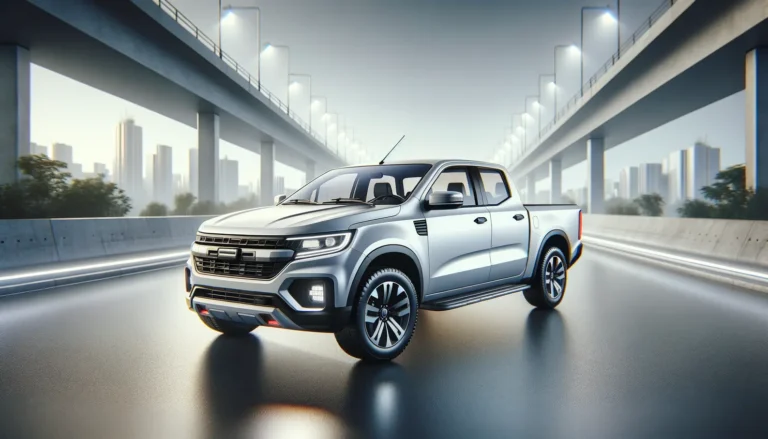
However, compact pick-ups, such as the Fiat Strada, remain relevant due to their practical functionality and competitive prices in the country.
Overview of sales and projected volume
In January 2026, sales exceeded 162 thousand units, showing a very active market with high demand in key segments.
For February, a similar pace is projected with more than 135 thousand units sold, driven especially by light commercials, SUVs and hatches.
These figures reflect the solidity and dynamism of the Brazilian automotive market at the beginning of the year, despite certain volume adjustments.
Leaders and market context in February 2026
Until February 6, the Fiat Strada is positioned as the best-selling pick-up with 2,488 units, standing out in durability and price.
The Hyundai HB20 occupies second place, with 1,783 units, while the Hyundai Creta SUV reaches 1,745, evidencing diversification between segments.
This balance between pick-ups, hatches and SUVs reflects a segmented and competitive market with strong consumer preferences.
Top 10 best-selling models until February 6
The best-seller ranking shows the Fiat Strada leading with 2,488 units, followed by the Hyundai HB20 with 1,783 and the Hyundai Creta with 1,745.
The top models such as the Volkswagen Gol, Chevrolet Onix, and the Jeep Renegade complete the top, reflecting variety in segments and preferences.
This top 10 concentrates a significant sales volume, evidencing the strong competition between pick-ups, hatchbacks and SUVs in Brazil.
Complete ranking with units sold and variations compared to January
The Fiat Strada grew by 5% compared to January, while the HB20 fell by 2%, and the Crete maintained its stable volume at the beginning of February.
El Gol and Onix showed slight falls, but remain firm in their positions with sales of around 1,200 units each until the 6th.
Stability and some variations in the ranking reflect natural movements in demand during the first days of the month.
Comparison of performance between models and segments
Compact pickups lead in sales due to their functionality, while hatchbacks present constant sales and SUVs grow due to space and technology.
The SUV segment stands out for its rapid growth, with Creta and Renegade as examples, while pick-ups maintain a solid base with Strada and S10.
The dispute between segments signals a trend of diversification of the Brazilian consumer, who seeks variety and value for price.
Analysis by segments and leading models
The automotive market in Brazil shows a clear segmented preference, where pick-ups, hatchbacks and SUVs compete strongly in sales and popularity.
The Fiat Strada dominates compact pick-ups due to its functional offer and affordable prices, while the Hyundai HB20 leads in well-accepted hatchbacks.
The Hyundai Creta stands out in SUVs, consolidating its position thanks to modern features and space, reflecting the growing taste for this segment.
Performance of pick-ups, hatches and SUVs: Fiat Strada, Hyundai HB20 and Crete
The Fiat Strada maintains its leadership with 2,488 units, showing a growth of 5% that highlights its solidity in compact pick-ups.
The Hyundai HB20 has 1,783 sales, with a slight drop of 2%, reflecting stability but also intense competition between hatchbacks.
The Hyundai Creta, with 1,745 units, maintains its stable volume, consolidating itself as one of the most demanded SUVs in the Brazilian market.
Monthly evolution and historical comparison of the market
February sales reflect a dynamic market with natural adjustments compared to January, where the Fiat Strada grows and other models stabilize.
Historically, Brazil shows a steady increase in SUVs, while pick-ups and hatchbacks maintain their share, balancing overall demand.
This evolution signals a more diversified consumer who values functionality, innovation and variety, driving a competitive and diverse market.
Trends and projections for 2026
Brazil continues to show a vibrant automotive market, with clear trends towards diversification and preference for functionality and technology.
SUVs and pick-ups are expected to continue gaining ground, driven by consumers who value space, innovation and everyday practical utility.
The growth of the sector indicates a dynamic year, with brands adapting rapidly to meet changing demands and higher demands.
Brand growth and role of rental companies in sales
Locators play a vital role in sales volume, especially in vehicles such as pick-ups and SUVs that are in demand for fleets.
Brands such as Fiat and Hyundai consolidate their presence with models adapted to both individual clients and companies and rental companies.
This business model strengthens sales and allows brands to project sustainable growth for the rest of the year.
Electrified perspectives and consumer preferences
The acceptance of electrified vehicles is growing slowly, with consumers interested in sustainability but attentive to costs and autonomy.
Brands are beginning to expand their electric and hybrid offering, seeking to balance technological innovation with locally accessible infrastructure.
It is expected that in 2026 diversity in the electricity market will increase, accompanying the preferences of a more conscious and technological public.